Hand Drawn Text Dividers: A Versatile Design Tool for Creative Projects
Hand drawn text dividers are a unique design element that adds a touch of personality and charm to any creative project. Unlike standard, machine-generated text elements, these dividers feature a natural, whimsical aesthetic that feels handcrafted. Their playful yet elegant style makes them ideal for a wide range of applications, from wedding invitations to branding materials. What sets them apart is their ability to blend seamlessly into both modern and traditional designs while maintaining a sense of innocence and creativity.
What Are Hand Drawn Text Dividers?
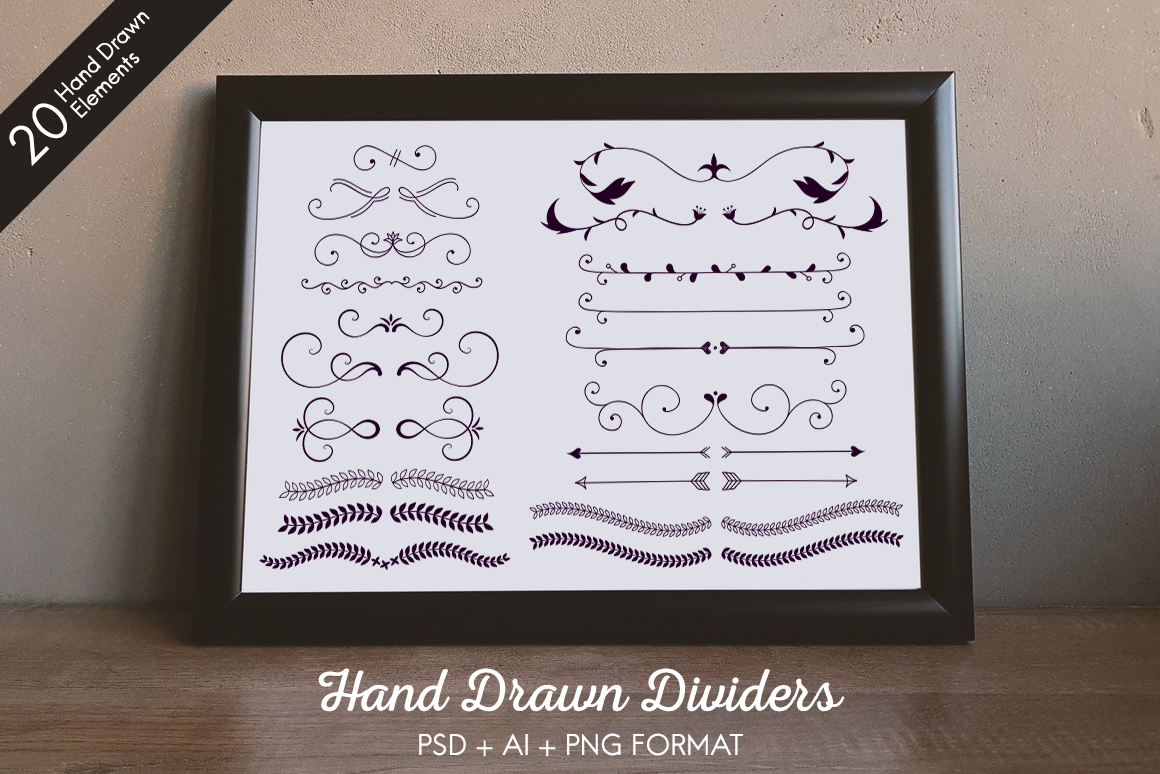
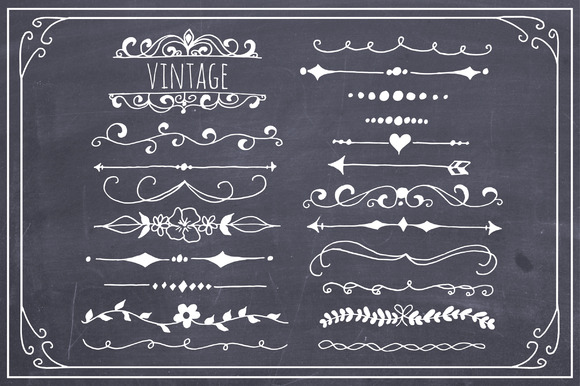
Hand drawn text dividers are decorative elements used to separate sections of text or content in a design. They can be simple lines, intricate patterns, or stylized phrases that guide the reader's eye through a layout. These dividers are often created by artists using traditional drawing techniques or digital tools that mimic the look of hand-drawn artwork. The result is a visually appealing element that adds depth and character to a design without overwhelming it.
What makes hand drawn text dividers distinct is their organic feel. Each divider is unique, with subtle variations in stroke, texture, and shape that give them a more personal touch compared to mass-produced alternatives. This natural imperfection is what gives them their charm and makes them stand out in a world dominated by sleek, uniform designs.
Comparing Hand Drawn Text Dividers with Other Options
When considering design elements for a project, it's important to evaluate the strengths and limitations of different options. Hand drawn text dividers offer a distinct advantage over other types of dividers, such as solid lines, geometric shapes, or typographic elements. While these alternatives can be effective, they often lack the warmth and character that hand drawn dividers provide.
For example, solid lines may be functional but can feel cold and impersonal. Geometric shapes can add structure but may not fit well with more organic or artistic layouts. Typographic dividers, such as bold headings or subheadings, are useful for breaking up content but may not serve the same decorative purpose as hand drawn text dividers.
In comparison, hand drawn text dividers offer a middle ground between functionality and aesthetics. They can be used to separate content in a way that is both visually engaging and meaningful. This makes them particularly well-suited for projects that require a balance between form and function.
Strengths of Hand Drawn Text Dividers
One of the main strengths of hand drawn text dividers is their versatility. They can be applied to a wide range of design projects, including wedding invitations, stationery, marketing materials, signage, and branding. Their adaptability allows designers to use them in various contexts, making them a valuable addition to any creative toolkit.
Another key strength is their ease of customization. Many hand drawn text divider sets come with vector files, which allow users to recolor, resize, and reshape the elements to fit their specific needs. This level of flexibility is especially beneficial for designers who want to maintain consistency across multiple projects or brands.
Additionally, hand drawn text dividers often include a variety of styles and formats, such as PNG, JPEG, AI, EPS, and Photoshop brushes. This ensures that users have access to high-quality assets that can be used in both digital and print formats. The inclusion of brushes also makes it easier to integrate these elements into complex designs, adding a layer of texture and detail that enhances the overall visual appeal.
Tradeoffs and Limitations
While hand drawn text dividers offer many benefits, there are also some tradeoffs to consider. One potential limitation is that they may not be suitable for all design styles. For instance, if a project requires a highly structured or minimalist approach, the whimsical nature of hand drawn dividers could be seen as distracting rather than complementary.
Another consideration is the time and effort required to incorporate these elements into a design. Unlike pre-designed templates or automated tools, hand drawn text dividers often require manual placement and adjustment. This can be a drawback for designers working under tight deadlines or those who prefer a more streamlined workflow.
Furthermore, the quality of the final output depends on the skill and expertise of the designer. While vector files make it easy to scale and edit the elements, achieving the desired effect may require a certain level of technical proficiency. This means that beginners may need to invest additional time in learning how to use these tools effectively.
When to Use Hand Drawn Text Dividers
Hand drawn text dividers are best suited for projects that benefit from a more personal and artistic touch. They are particularly effective in situations where the goal is to create a warm, inviting atmosphere or convey a sense of playfulness and creativity.
For example, hand drawn text dividers can be used in wedding invitations to add a romantic and whimsical feel to the design. In branding materials, they can help reinforce a brand's identity by incorporating elements that reflect its values and personality. In marketing campaigns, they can be used to break up large blocks of text and make the content more digestible and engaging.
However, if a project requires a more formal or professional look, alternative options such as clean lines or geometric shapes may be more appropriate. It's important to consider the overall tone and purpose of the design when choosing the right type of divider.
Practical Examples and Use Cases
To better understand how hand drawn text dividers can be used in real-world scenarios, let's explore a few practical examples:
- Wedding Invitations: Hand drawn text dividers can be used to separate sections of the invitation, such as the event details, RSVP information, and guest instructions. Their playful yet elegant style helps create a cohesive and memorable design that reflects the couple's personality.
- Marketing Materials: In brochures or flyers, hand drawn text dividers can be used to highlight key messages or separate different sections of content. This helps guide the reader's eye through the material and makes the information more accessible.
- Branding Elements: Hand drawn text dividers can be incorporated into logos, packaging, or social media graphics to add a unique visual element that reinforces the brand's identity. Their versatility allows them to be adapted to different formats and styles.
These examples demonstrate how hand drawn text dividers can be used in a variety of contexts to enhance the visual appeal of a design while maintaining a sense of personality and creativity.
Conclusion
Hand drawn text dividers are a valuable tool for designers looking to add a touch of whimsy and charm to their projects. Their natural, handcrafted aesthetic sets them apart from other types of dividers, making them a versatile and effective choice for a wide range of applications. Whether you're designing wedding invitations, marketing materials, or branding elements, hand drawn text dividers can help bring your vision to life in a way that feels both personal and professional.
However, it's important to consider the context and purpose of your design when deciding whether to use hand drawn text dividers. While they are an excellent choice for projects that require a more artistic and playful approach, they may not be the best option for highly structured or minimalist designs. By carefully evaluating the strengths and limitations of this tool, you can make an informed decision that best suits your creative goals.