Hand Drawn Dividers: Enhancing Visual Workflow and Organization
Hand drawn dividers are more than just decorative elements—they serve as functional tools that help organize content, separate sections, and enhance visual clarity in both digital and print formats. Whether you're working on a presentation, designing a website, or compiling a report, these dividers can streamline your workflow by providing clear boundaries between different parts of your work. This article explores how hand drawn dividers fit into broader processes, their practical applications across various fields, and how they can be integrated into existing workflows with ease.
Understanding Hand Drawn Dividers
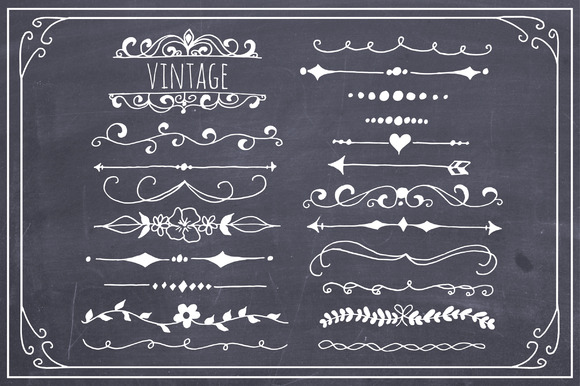
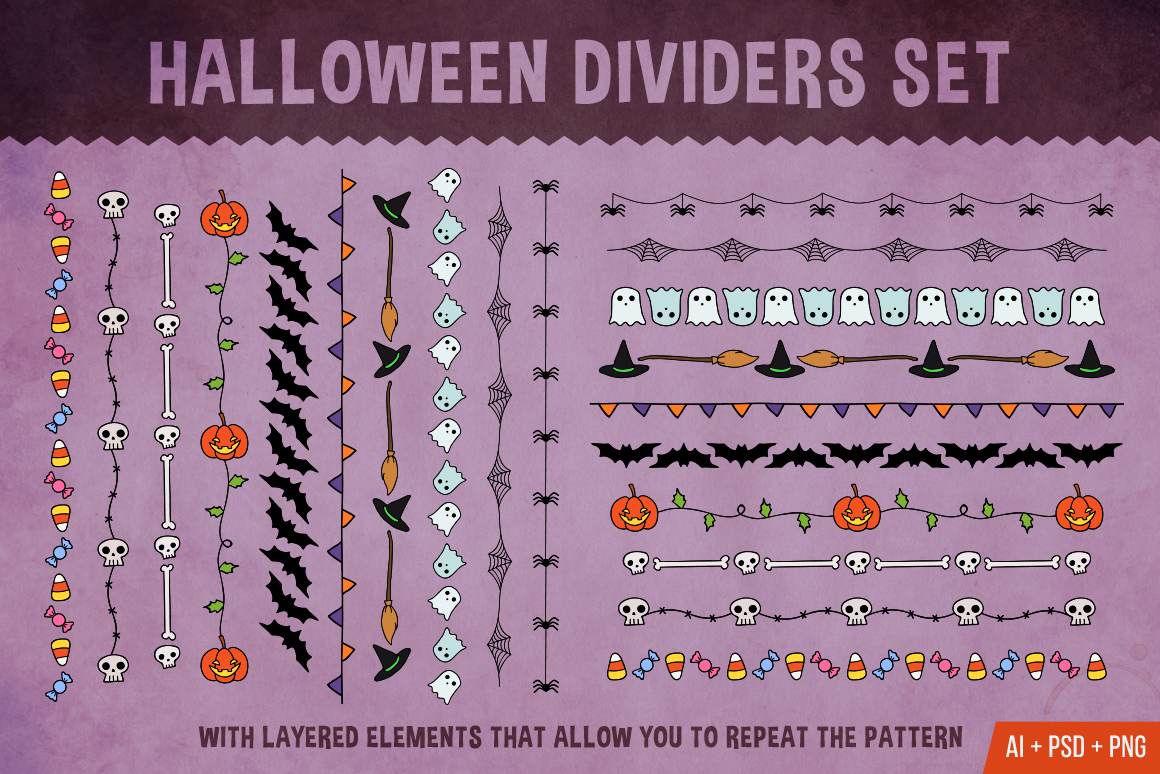
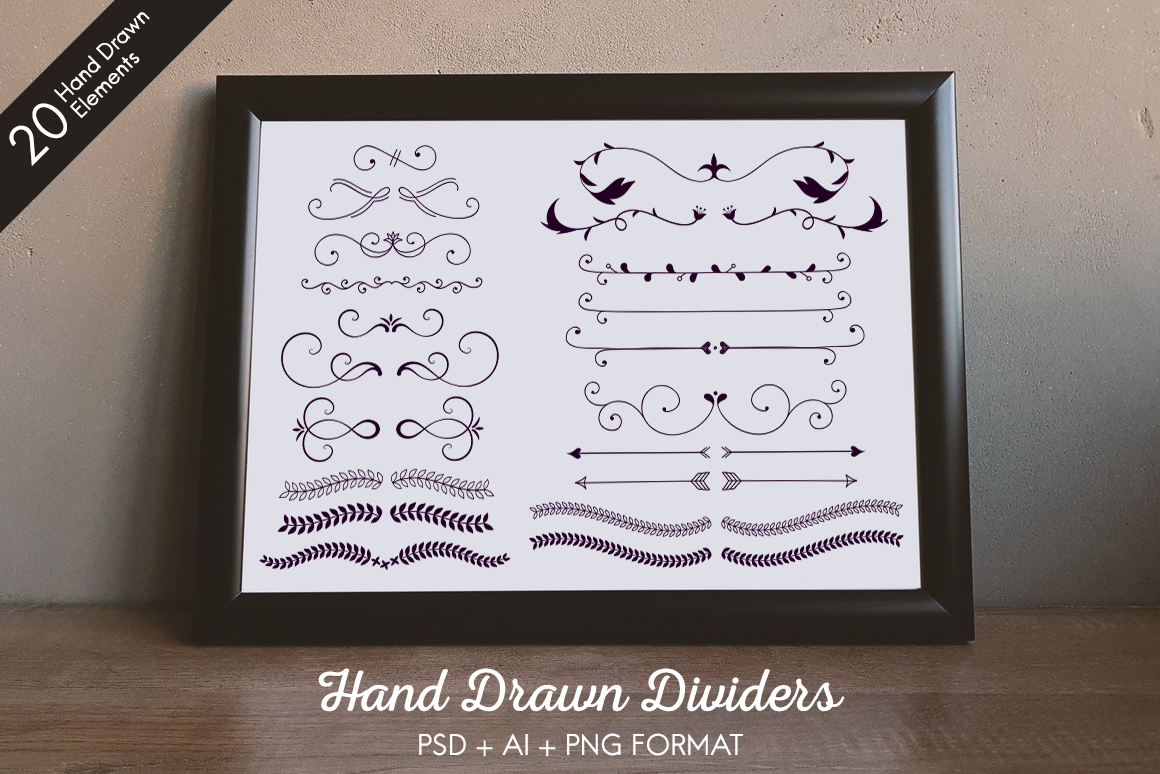
Hand drawn dividers are graphic elements created using traditional drawing techniques or digital illustration software. They often feature organic shapes, lines, and textures that give them a unique, artistic feel. These dividers come in a variety of styles, from simple wavy lines to intricate patterns, making them versatile for use in different contexts.
The set of 20 hand-drawn dividers provides users with multiple options to choose from, ensuring that there's a divider suitable for any project or design need. Each divider is available in PNG format, which makes it easy to integrate into digital projects such as websites, presentations, and documents. Additionally, the availability of an Illustrator file allows for customization and scalability, while the Photoshop style ensures compatibility with other design tools.
Where Hand Drawn Dividers Fit in Your Process
Hand drawn dividers can be used at various stages of a project. Before starting a new task, they can help outline the structure of the content. During the creation process, they can serve as visual markers to separate different sections or ideas. After completing a project, they can be used to review and refine the layout for better readability and aesthetics.
In the context of a creative project, such as designing a magazine layout or creating a blog post, hand drawn dividers can act as visual separators between articles, sections, or chapters. They help maintain consistency in design while adding a personal touch that sets the content apart from generic layouts.
Before Starting a Project
Before diving into a new project, consider how hand drawn dividers can be incorporated into your planning phase. Use them to sketch out the structure of your content or design. For example, if you're preparing a presentation, you can use dividers to mark where each slide will transition to the next. This helps in organizing thoughts and ensuring that the flow of information is logical and easy to follow.
During the Creation Process
As you work on your project, hand drawn dividers can be inserted between different sections to provide visual breaks. This is especially useful when dealing with large documents or long-form content. By separating different topics or themes, dividers make it easier for readers to navigate through the material and find what they're looking for quickly.
After Completing a Project
Once your project is complete, take a moment to review how the hand drawn dividers contribute to the overall design. Are they enhancing the visual appeal? Do they help in guiding the reader's eye through the content? If not, consider adjusting their placement or choosing a different style that better suits the tone and purpose of the project.
Integrating Hand Drawn Dividers with Other Tools and Resources
Hand drawn dividers work well with a range of tools and resources, including graphic design software, content management systems, and publishing platforms. Their versatility allows them to be used in conjunction with other assets such as icons, illustrations, and photographs to create cohesive and visually appealing designs.
For instance, when designing a website, hand drawn dividers can be paired with custom fonts and color schemes to maintain a consistent brand identity. In print media, they can be combined with high-quality images and typography to create a polished and professional look.
Compatibility with Design Software
The availability of an Illustrator file ensures that hand drawn dividers are compatible with vector-based design software. This means that they can be scaled without losing quality, making them ideal for use in both small and large-scale projects. Similarly, the Photoshop style version allows for easy editing and manipulation within raster-based design tools.
Integration with Content Management Systems
If you're using a content management system (CMS) such as WordPress or Squarespace, hand drawn dividers can be added to your site using plugins or custom code. Many CMS platforms offer built-in support for embedding images and graphics, making it simple to incorporate these dividers into your web pages.
Practical Implementation Tips
To get the most out of hand drawn dividers, consider the following tips:
- Choose the right style: Select a divider that complements the overall aesthetic of your project. Avoid using overly complex or busy designs that may distract from the main content.
- Use consistently: Apply the same divider style throughout your project to maintain visual consistency. This helps in creating a sense of unity and professionalism.
- Experiment with placement: Try placing dividers at the beginning, middle, and end of sections to see what works best for your specific needs.
- Combine with other elements: Pair dividers with other design elements such as headings, bullet points, and images to create a more engaging layout.
Workflow Examples
Here are a few examples of how hand drawn dividers can be used in real-world scenarios:
- Designing a Website: Use dividers to separate different sections of your homepage, such as the hero section, features, testimonials, and call-to-action buttons. This helps in guiding visitors through the content in a structured manner.
- Creating a Presentation: Insert dividers between slides to indicate transitions or changes in topic. This makes the presentation more organized and easier to follow.
- Compiling a Report: Use dividers to separate different chapters or sections of a report. This improves readability and makes it easier for readers to navigate through the document.
Factors to Consider for Long-Term Use
When considering the long-term use of hand drawn dividers, it's important to think about factors such as preparation, compatibility, usability, and organization. Here are some key considerations:
- Preparation: Take time to understand the different styles and how they can be applied in various contexts. This will help you make informed decisions when selecting the right divider for your project.
- Compatibility: Ensure that the dividers you choose are compatible with the tools and platforms you're using. This will save you time and effort in the long run.
- Usability: Choose dividers that are easy to use and don't require extensive editing or customization. This will help streamline your workflow and reduce the risk of errors.
- Organization: Keep your dividers organized in a central location so that they're easy to access and use when needed. This will help you stay productive and focused on your work.
By integrating hand drawn dividers into your workflow, you can enhance the visual appeal of your projects while maintaining a sense of structure and organization. Whether you're working on a digital design, a print publication, or a presentation, these dividers can help you create content that is both aesthetically pleasing and easy to navigate.