Fingerspelling: A Visual Language Tool for Communication and Connection
Fingerspelling is a powerful method of communication that uses hand movements to represent letters, numbers, and even entire words. It is an essential component of American Sign Language (ASL) and serves as a bridge between spoken and signed languages. Whether you're learning ASL, working with the Deaf community, or simply curious about alternative forms of expression, understanding fingerspelling can open new doors to connection and clarity.
What Is Fingerspelling?
Fingerspelling is the process of using your hands to spell out individual letters of the alphabet. Each letter has a unique handshape and position, allowing users to communicate complex ideas when full sentences are not possible. This technique is widely used in ASL to spell out names, places, and other specific terms that may not have direct signs.
- Alphabet: The English alphabet consists of 26 letters, each represented by a distinct hand configuration.
- Numbers: Fingerspelling also includes numbers from 0 to 9, often used in daily interactions such as telling time or counting items.
- Additional Signs: Some variations of fingerspelling include symbols like punctuation marks and mathematical expressions.
The Full Alphabet in Fingerspelling
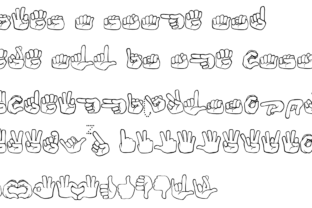
Learning the full alphabet in fingerspelling is a foundational step for anyone interested in ASL. Each letter is formed using one hand, typically the dominant hand, and involves specific finger positions and orientations. For example:
- A: Touch the tip of the thumb to the tip of the index finger.
- B: Hold the index finger up with the thumb touching the side of it.
- C: Make a C-shape with the fingers, keeping the palm facing inward.
- D: Form a D-shape with the fingers, similar to the letter C but with the thumb extended outward.
- E: Spread all fingers apart, forming an open hand with the palm facing downward.
This pattern continues through the entire alphabet, with each letter having its own unique formation. Practicing these shapes regularly helps improve dexterity and accuracy.
Purpose and Features of Fingerspelling
Fingerspelling is more than just a way to spell out words—it's a versatile tool that enhances communication in various contexts. Its key features include:
- Clarity: When used correctly, fingerspelling ensures that messages are clearly understood, especially when dealing with proper nouns or technical terms.
- Flexibility: It allows signers to express any word in the English language, making it an invaluable part of ASL.
- Accessibility: Fingerspelling can be used by people who are deaf, hard of hearing, or learning ASL, promoting inclusivity in communication.
Why Learn Fingerspelling?
There are many reasons why individuals might choose to learn fingerspelling. For instance:
- Deaf Individuals: Those who use ASL often rely on fingerspelling to convey names, places, or other concepts that don't have a direct sign.
- Parents and Caregivers: Learning fingerspelling can help parents communicate with their deaf children before they develop fluency in ASL.
- Professionals: Teachers, interpreters, and healthcare workers may find fingerspelling useful in their daily interactions.
- Language Learners: Anyone interested in learning ASL will benefit from mastering fingerspelling as a basic skill.
By incorporating fingerspelling into their communication toolkit, individuals can build stronger connections with others and enhance their ability to express themselves effectively.
Where Can Fingerspelling Be Used?
Fingerspelling is used in a wide range of settings, from educational environments to professional workplaces. Here are some common scenarios where fingerspelling plays a vital role:
- Education: In classrooms, teachers may use fingerspelling to introduce new vocabulary or explain complex concepts.
- Healthcare: Medical professionals can use fingerspelling to ensure clear communication with patients who are deaf or hard of hearing.
- Legal Settings: Interpreters often use fingerspelling during court proceedings to accurately relay testimony or legal documents.
- Business: Companies that serve the Deaf community may incorporate fingerspelling into their customer service training programs.
No matter the setting, fingerspelling provides a reliable means of communication that transcends linguistic barriers.
Real-World Applications of Fingerspelling
Fingerspelling is not limited to formal education or professional environments; it has practical applications in everyday life as well. For example:
- Greeting Someone: Using fingerspelling to spell out a person's name when meeting them for the first time.
- Shopping: Asking for specific products by spelling out their names.
- Telling Time: Communicating the current time using fingerspelling to spell out hours and minutes.
- Writing Messages: Creating visual messages by spelling out words with your hands.
These examples demonstrate how versatile and useful fingerspelling can be in real-life situations.
Strengths, Considerations, and Limitations of Fingerspelling
While fingerspelling is a valuable tool, it's important to understand its strengths, limitations, and appropriate usage. Here's what you need to know:
- Strengths: Fingerspelling offers clarity, flexibility, and accessibility, making it a great supplement to ASL.
- Considerations: It can be slow compared to full ASL sentences, so it's best used for short words or specific terms.
- Limitations: Fingerspelling does not convey tone, emotion, or context as effectively as natural speech or signed language.
Understanding these factors can help you determine when and how to use fingerspelling most effectively.
Practical Expectations and Tips
If you're considering learning fingerspelling, here are some practical expectations and tips to keep in mind:
- Practice Regularly: Like any new skill, fingerspelling requires consistent practice to become proficient.
- Use Visual Aids: Watching videos or using flashcards can help reinforce your learning.
- Join a Community: Connecting with others who are learning or using fingerspelling can provide support and motivation.
- Be Patient: Progress takes time, so don't get discouraged if you find it challenging at first.
With dedication and practice, you can master fingerspelling and enjoy the many benefits it brings to your communication skills.
Evaluating Suitability for Different Needs
Before committing to learning fingerspelling, it's important to evaluate whether it meets your specific needs or goals. Consider the following questions:
- Do I need to communicate with someone who uses ASL?
- Am I looking to enhance my ASL skills?
- Will this skill be useful in my profession or daily life?
- How much time can I dedicate to practicing fingerspelling?
Answering these questions can help you decide if fingerspelling is the right choice for you. If it aligns with your goals, then it's worth investing time and effort into learning.
Conclusion: Embracing the Power of Fingerspelling
Fingerspelling is more than just a set of handshapes—it's a dynamic form of communication that fosters connection, understanding, and inclusivity. Whether you're a learner, professional, or simply curious about ASL, exploring fingerspelling can enrich your ability to interact with others in meaningful ways. By embracing this visual language tool, you're taking a step toward greater communication and connection in today's diverse world.