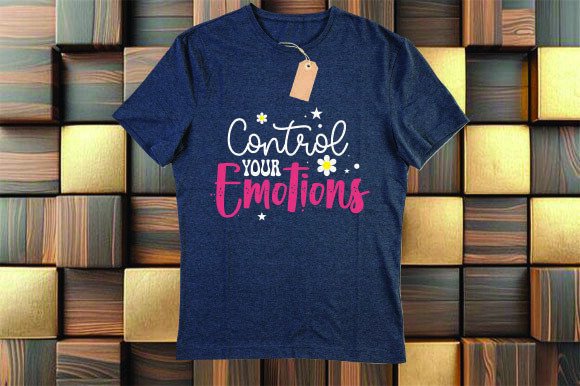
CONTROL YOUR EMOTIONS: A Guide to Emotional Mastery and Its Practical Applications
The Science Behind Emotional Regulation
Emotions are an integral part of the human experience, influencing our thoughts, behaviors, and interactions with others. While emotions can be powerful motivators, they can also lead to impulsive decisions, conflicts, and stress if not managed effectively. The concept of CONTROL YOUR EMOTIONS has gained significant attention in recent years, as individuals and professionals seek ways to harness emotional intelligence for personal and professional growth.
Scientific research indicates that emotional regulation is a skill that can be developed through mindfulness, cognitive restructuring, and self-awareness. By understanding the triggers behind our emotional responses, we can learn to respond rather than react, leading to more balanced and thoughtful actions.
Why Emotional Control Matters in Everyday Life
CONTROL YOUR EMOTIONS is not just a phrase; it's a principle that can transform how we navigate daily challenges. Whether it's dealing with workplace stress, managing interpersonal relationships, or making important life decisions, emotional control plays a crucial role. For example, a business owner who remains calm during a crisis is more likely to make strategic decisions that benefit their company long-term.
Professionals in high-stress environments, such as healthcare workers, educators, and law enforcement, often rely on emotional regulation techniques to maintain composure under pressure. These skills help prevent burnout, improve communication, and enhance overall performance.
Practical Strategies for Controlling Emotions
- Mindfulness Meditation: Practicing mindfulness helps individuals stay present and observe their emotions without judgment. This technique encourages a non-reactive response to emotional stimuli.
- Cognitive Behavioral Techniques: Identifying and challenging negative thought patterns can change emotional responses. For instance, reframing a stressful situation as a challenge rather than a threat can reduce anxiety.
- Physical Activity: Exercise releases endorphins, which are natural mood elevators. Regular physical activity can help manage stress and regulate emotions effectively.
Real-World Applications of Emotional Control
The ability to CONTROL YOUR EMOTIONS extends beyond personal development and into various industries. In education, teachers who manage their emotions can create a more positive learning environment for students. In customer service, employees trained in emotional regulation can handle difficult situations with empathy and professionalism.
For creators and designers, emotional intelligence is essential when working on projects that require collaboration and feedback. Being able to receive criticism without becoming defensive fosters creativity and innovation. Similarly, researchers must remain emotionally balanced when interpreting data and presenting findings, ensuring objectivity and credibility.
How Emotional Control Enhances Creativity
Creative professionals often face frustration, rejection, and uncertainty. However, those who practice CONTROL YOUR EMOTIONS are better equipped to channel these feelings into productive work. For example, an artist who experiences self-doubt but learns to manage it can use that energy to refine their craft instead of letting it hinder progress.
Designers and content creators may also benefit from emotional regulation when receiving feedback on their work. Instead of reacting defensively, they can approach critiques as opportunities for growth, leading to higher-quality outputs and stronger client relationships.
The Role of Emotional Intelligence in Leadership
Leadership requires not only strategic thinking but also emotional intelligence. Leaders who can CONTROL YOUR EMOTIONS inspire trust, foster teamwork, and navigate complex challenges with grace. Emotional intelligence enables leaders to understand and manage their own emotions while also recognizing and responding to the emotions of others.
Business owners who demonstrate emotional control can build stronger teams by creating a culture of respect and open communication. They are also more likely to resolve conflicts constructively, leading to a more harmonious and productive work environment.
Emotional Control in Education
Educators play a vital role in shaping the emotional development of students. Teachers who model emotional regulation teach students valuable life skills, such as patience, resilience, and empathy. By managing their own emotions, educators can create a classroom atmosphere that encourages learning and personal growth.
Students who learn to control their emotions early on are better prepared for academic and social challenges. They are more likely to handle setbacks, collaborate effectively, and develop strong interpersonal relationships.
Tools and Resources for Developing Emotional Control
There are numerous tools and resources available to help individuals improve their emotional regulation skills. Apps like Headspace and Calm offer guided meditation sessions that promote mindfulness and relaxation. Books such as "Emotional Intelligence" by Daniel Goleman provide insights into understanding and managing emotions effectively.
Workshops and seminars on emotional intelligence can also be beneficial for those looking to enhance their emotional control. These programs often include practical exercises, group discussions, and personalized coaching to support long-term development.
Technology and Emotional Regulation
Advancements in technology have made it easier to track and manage emotions. Wearable devices, such as smartwatches, can monitor heart rate and stress levels, providing real-time feedback on emotional states. This data can be used to identify patterns and develop strategies for better emotional regulation.
Online platforms and forums also offer communities where individuals can share experiences and learn from others who are working on improving their emotional control. These spaces encourage accountability and provide motivation for continued growth.
Conclusion: Embracing Emotional Mastery
CONTROL YOUR EMOTIONS is not about suppressing feelings but about understanding and managing them in a way that promotes well-being and success. Whether you're a professional, educator, creator, or hobbyist, developing emotional intelligence can enhance your personal and professional life in countless ways.
By incorporating practical strategies, utilizing available resources, and embracing emotional mastery, individuals can navigate life's challenges with greater clarity and confidence. The journey to emotional control is ongoing, but the benefits are well worth the effort.